

Speed enforcement that moves with the road
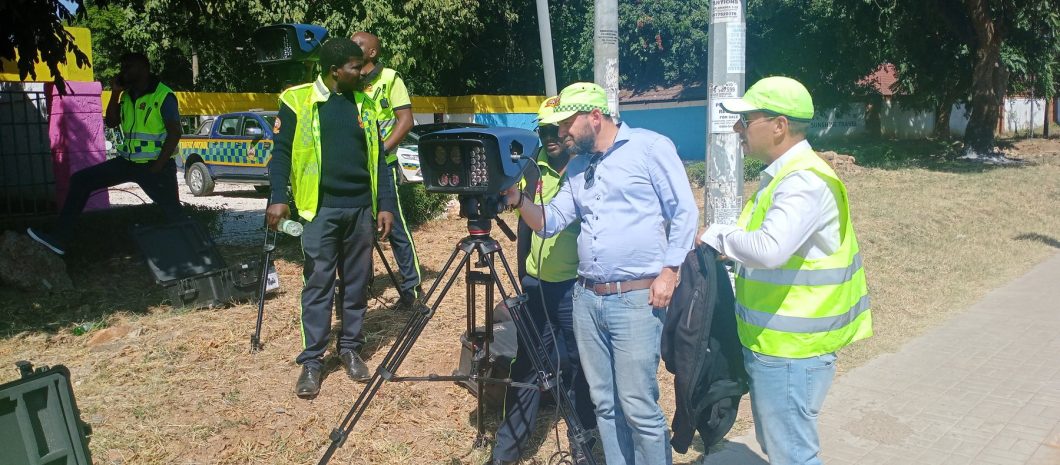
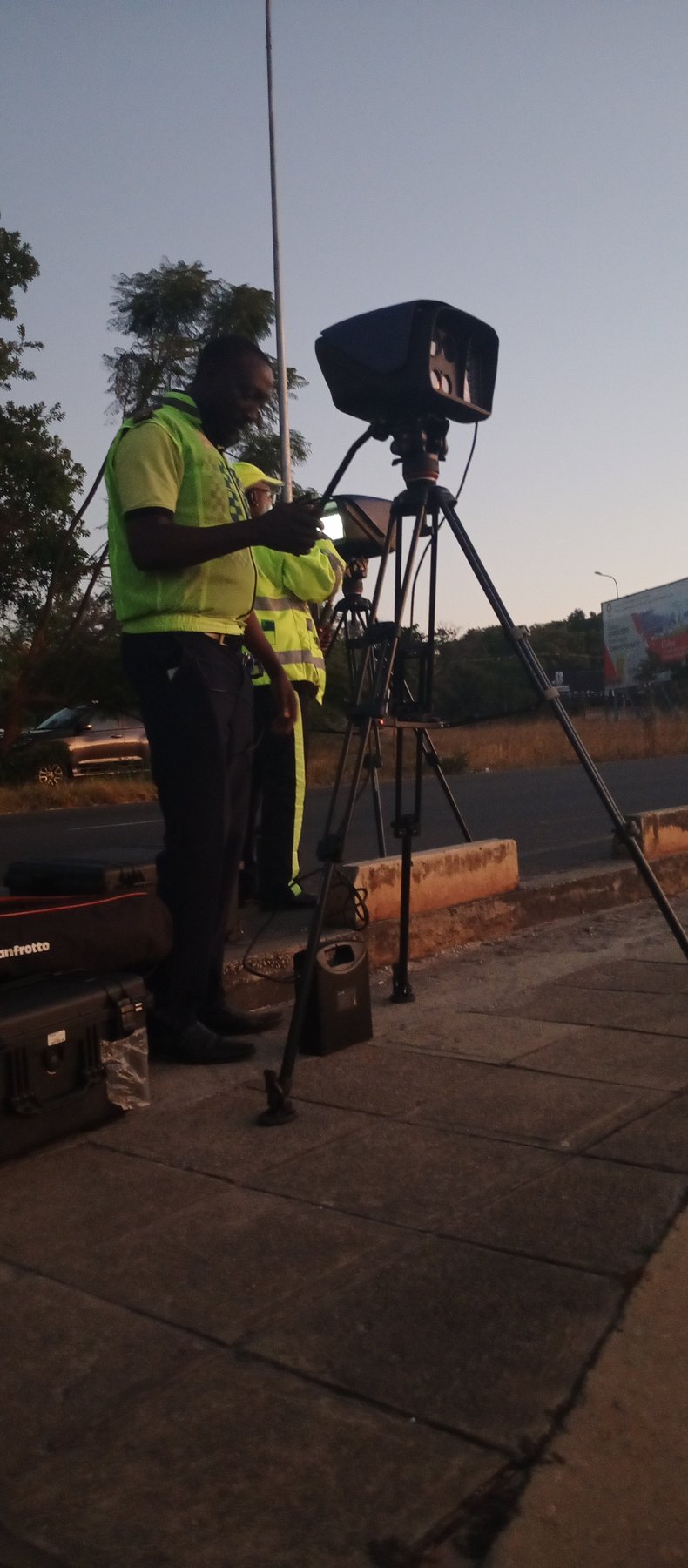
In January 2024 Hyperlabs Zambia delivered the S1 mobile speed camera sets to the Road
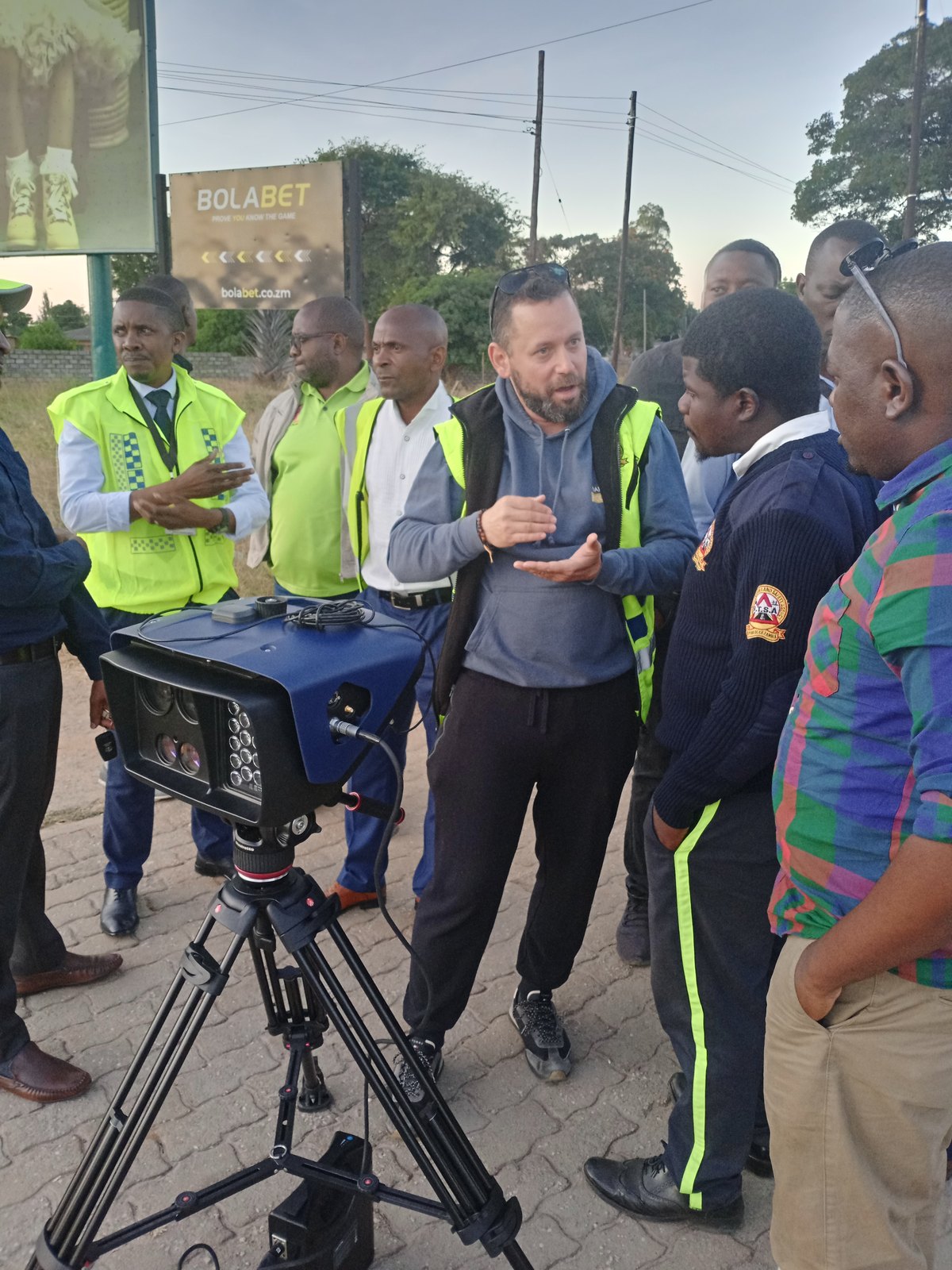
Transport and Safety Agency. In May 2024 the manufacturer’s specialists travelled to Lusaka and, with
our engineers, put RTSA’s officers through three days of hands-on training on them. The photographs
below are from those deployments and those sessions.
Why mobile units matter
A fixed camera protects the stretch of road it stands on, and it is honest about that: drivers who
know where it is slow down there and nowhere else. Speed does not stay in one place. It moves to the
next stretch, the next junction, the next school gate — which is why mobile enforcement is not a
lesser version of a fixed site. It is how you cover the road you have not wired up.
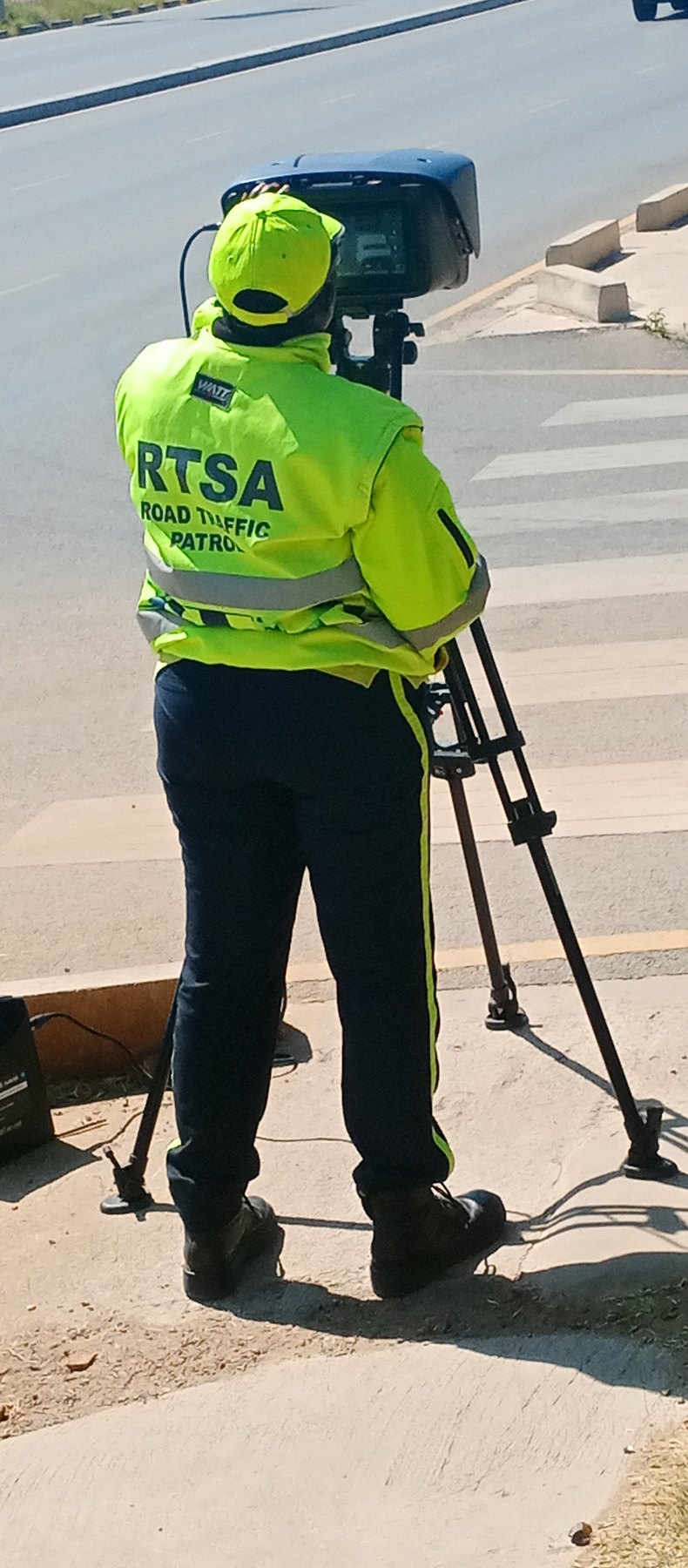
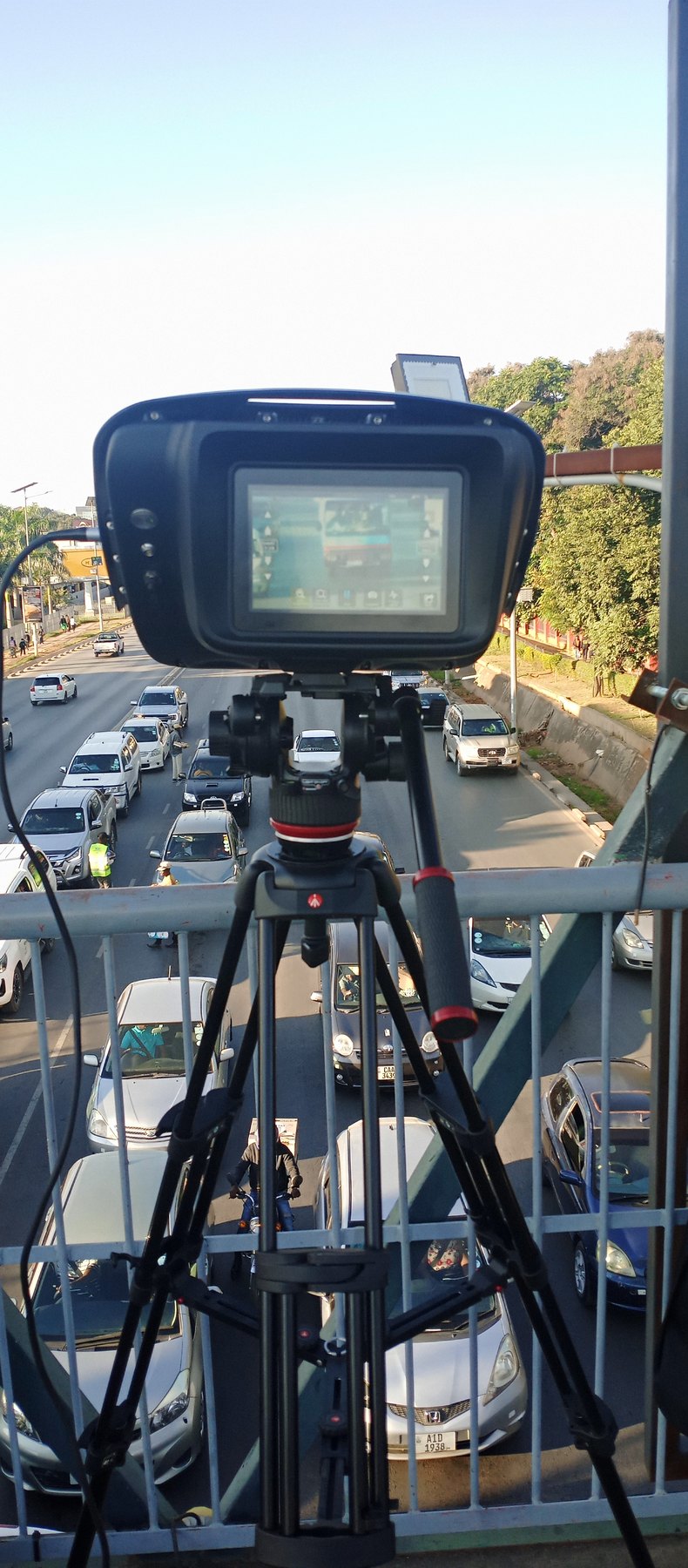
An S1 set travels in a vehicle, goes onto a tripod on the verge, and is capturing within minutes:
speed, direction and the number plate in one record, on the roads the agency chooses that morning
rather than the roads someone chose years ago.

What Hyperlabs delivered
- The equipment. The S1 mobile speed camera sets, supplied to RTSA and delivered
in January 2024 — portable units that measure speed and read the number plate in the same
capture. - Deployment on real roads. Units worked Zambia’s streets in daylight and after
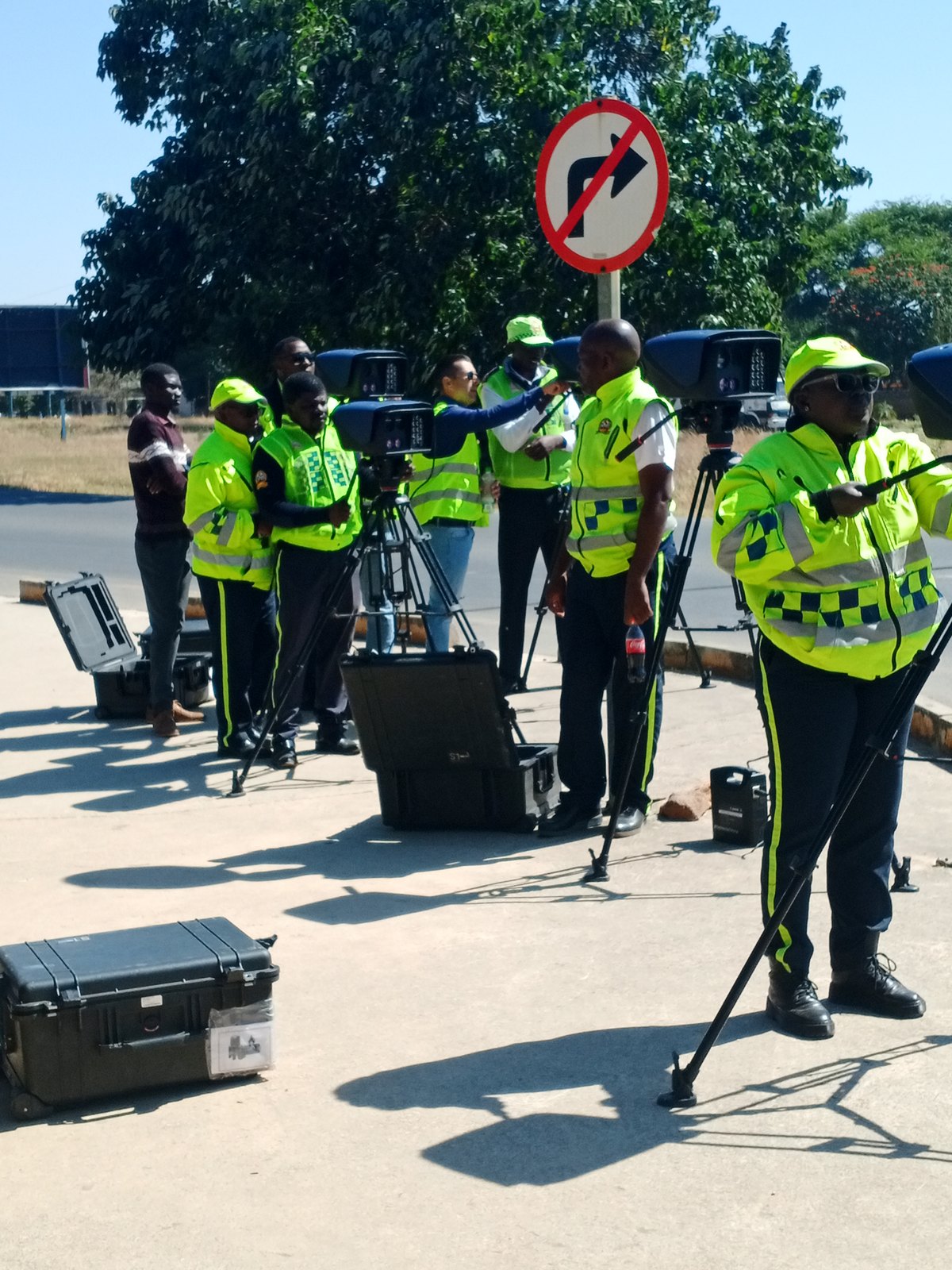
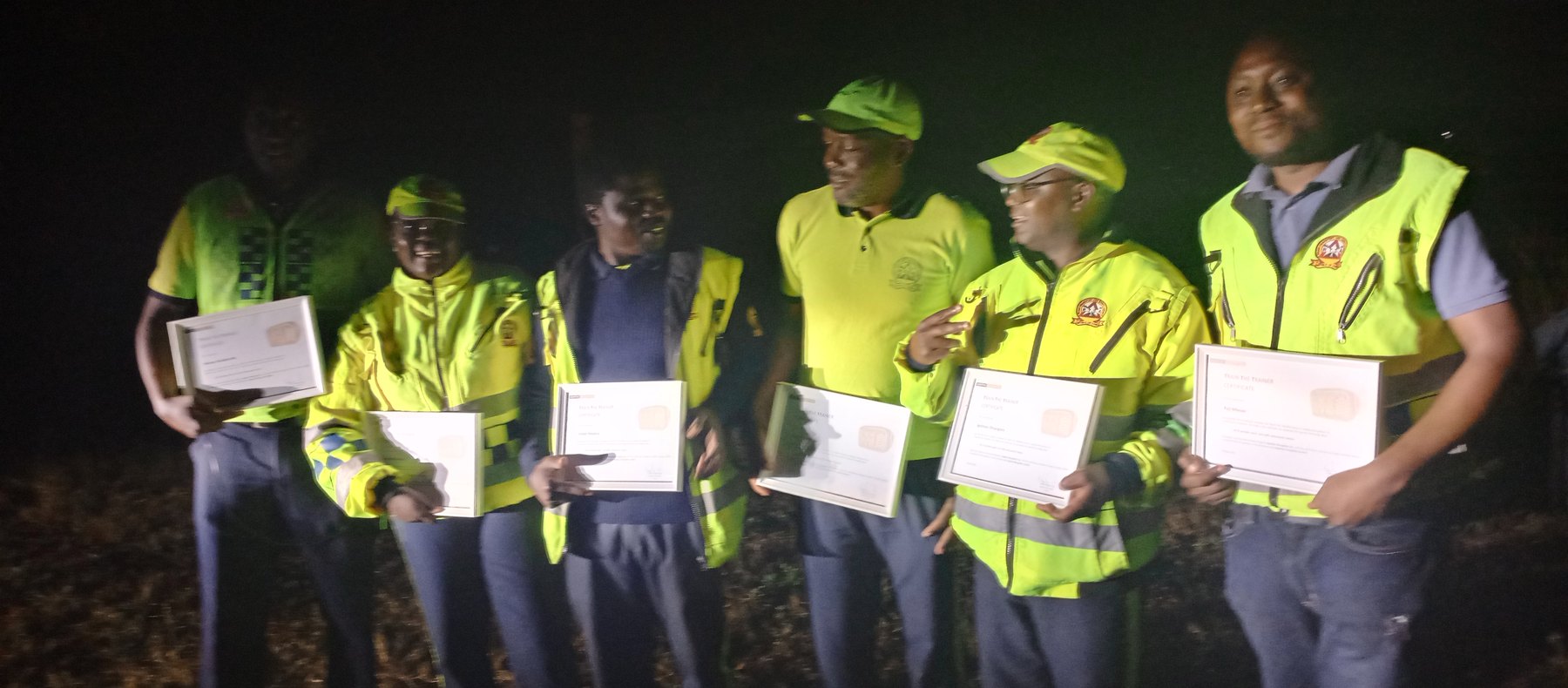
dark, positioned and operated by RTSA’s own officers rather than by us. - Manufacturer-certified training. Three days in Lusaka, 27–29 May 2024, with the
manufacturer’s specialists and our engineers: positioning a unit for the road being worked,
capture and verification, evidence handling, first-line fault-finding and maintenance. The
expert-series training report followed in June. - Support behind it. Firmware and recognition-engine updates, standard operating
procedures, support tickets and spares — the difference between buying cameras and keeping a
capability running.
Training is the part that decides whether it works
Cameras are the easy half of enforcement. What matters is whether the officer on the verge can
position the unit, read the capture, judge the evidence and keep the thing alive when a battery or a
lens connection misbehaves at 18:00 on a Friday. That is what a manufacturer-certified programme with
the people who will actually operate the equipment is for — and why the training report, not the
delivery note, is the document that told us the deployment was real.
The lesson we carried forward
Mobile enforcement taught us what the estate work later confirmed: detection is the easy half. A
capture that never reaches an officer who can act on it is a photograph with extra steps. Since 2024
that thinking has been built into everything we deploy — the same units and the same plates, but with
the alert, the acknowledgement and the record closed in one loop, and with the loop measured.
That progression is visible in our most recent deployment: the
Zambia Sugar traffic camera
project, where four camera sites on a working estate now alert the estate’s own officers in
seconds and report their own compliance automatically.
Road Transport and Safety Agency (RTSA) · S1 mobile speed cameras, supplied with Adaptive
Recognition · deployment, training and support 2024–2025. Hyperlabs Zambia Limited, Unit 1, Prestige Business Park, Plot No. 2374, off Kelvin Siwale Road, Arcades Area, Lusaka, Zambia · holograms@hyperlabs.co.za